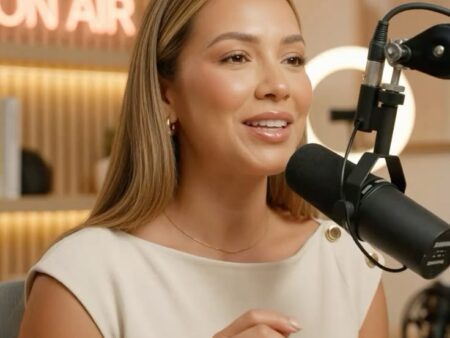

Everyone is talking about video. YouTube commands 33% of weekly podcast platform share. More than 70% of the top 100 US podcasts now publish full video episodes. Industry analysts describe 2026 as the “video-first era” of podcasting. And yet — 92% of people who consume podcast content still describe themselves as listeners. Despite every platform’s push toward visual content, despite YouTube’s dominance of discovery, despite the clip strategies and camera setups and studio aesthetics that have come to define the aspirational podcast brand — the audio podcast is not only surviving the video transition. It is quietly thriving in it.
Understanding why requires looking past the platform competition narrative that dominates the industry conversation and examining the actual data on how people consume podcast content in 2026. That data tells a more nuanced and ultimately more useful story than “video has won.” It tells the story of a medium that has expanded to accommodate video while its core identity — intimate, mobile, ambient audio — has remained the dominant consumption mode for the overwhelming majority of its 619.2 million global listeners.
This piece is the state of that medium. What the audio podcast is in 2026, why it still works the way it works, what has changed around it, and what creators and brands need to understand to build effectively within it.
The Numbers That Reframe the Narrative
Before the analysis, the data — because the audio podcast conversation in 2026 is frequently distorted by platform-specific statistics that present a partial picture as a complete one.
Global audio podcast listeners reached 619.2 million in 2026, a 6.83% year-over-year increase from 580 million in 2025. In the United States specifically, an estimated 158 million consumers listened to a podcast in the last month as of 2025 data — an increase from 135 million monthly listeners in 2024. Weekly listeners in the US number between 110 and 120 million. Daily engagement has grown significantly, with 18% of Americans aged 13 and older listening every day. The average US podcast consumer now spends approximately nine hours per week engaged with their favorite shows — a figure that reflects a depth of commitment to the medium that no comparable content format achieves.
Now, the video context. Of weekly podcast consumers who say YouTube is their primary podcast platform — 33% of the total — approximately half consume content audio-only, with the video minimized or playing in the background. The 2025 Podcast Landscape Study by Sounds Profitable reported that 40% of podcast consumers identify YouTube as their primary podcast app — but almost half of those respondents said more than half of their content is consumed as audio, with the visual component irrelevant to their experience. This is the statistic that reframes the entire video-versus-audio narrative: many of the listeners driving YouTube’s podcast dominance statistics are, in practice, audio podcast consumers who happen to be accessing their content through a video platform.
Why Audio Remains the Core Experience
The persistence of audio as the dominant mode of audio podcast consumption despite the availability of video is not a lag effect that will eventually correct itself. It is a reflection of how and when people consume podcast content — and those patterns are not changing because of platform UI decisions or creator production choices.
93% of podcast consumption happens via headphones, according to University of California research. 49% of listeners engage with audio podcast content while doing household chores. 38% listen while driving. 70% of weekly consumers listen on a smartphone. These are fundamentally mobile, ambient consumption contexts — situations where a screen is either unavailable, unsafe, or inconvenient, and where audio is the only practical content format. No amount of platform investment in video features changes the fact that a significant portion of all podcast consumption happens in contexts where watching is not an option.
This is the structural reality that the video-first narrative consistently underweights. The audio podcast dominates in the use cases that account for the majority of total listening time — precisely because those use cases are incompatible with visual content consumption. The listener doing dishes does not want to watch a video. The listener commuting on the subway does not want to hold their phone up for 45 minutes. The listener running a morning route needs content that does not require their visual attention. These listeners are not waiting for video to convince them. They have already found what they need in audio, and they are spending nine hours a week proving it.
The Trust Architecture of Audio
Beyond the practical consumption context argument, there is a psychological architecture to the audio podcast experience that produces listener engagement characteristics unmatched by any other content format — and that explains why podcast advertising consistently delivers among the highest returns of any digital marketing channel.
80% of listeners trust their favorite podcast host as if listening to the advice of a close friend, according to research by Acast and Nielsen. Podcast ads drive a 4.2x return on ad spend, one of the highest returns among marketing channels. 86% ad recall rates among active listeners. 46% of listeners reported purchasing a product or service after hearing about it on a podcast. Two-thirds of listeners say they researched a product or service after coming across it on a audio podcast episode.
These metrics reflect a trust relationship between host and listener that is built through the specific intimacy of the audio format — the experience of a voice speaking directly in your ear, without the mediated distance of a screen, over dozens or hundreds of hours of accumulated listening. Video podcast content can approximate this relationship, but it does not intensify it in the way the audio format does. The parasocial depth of the audio podcast relationship is a function of the format’s intimacy — and that intimacy is at its strongest when the listener is not watching, when there is no visual stimulus competing with the voice for their attention, when it is just the sound of another person’s thinking in the quiet of their headphones.
The Format Landscape — What Types of Audio Podcast Are Growing
The audio podcast category in 2026 is not monolithic. Understanding which formats within audio are growing — and why — is practically useful for creators evaluating where to invest their production resources.
True crime and fiction podcasts have the highest completion rates of any format at 85%, according to current industry data. This completion rate reflects the narrative format’s structural advantage — serial story structures create episode-ending hooks that drive return listening in ways that conversational interview formats do not. For creators considering an audio podcast launch in 2026, the narrative format’s completion rate advantage is a meaningful data point: listeners who finish more of each episode are more likely to subscribe, more likely to recommend the show, and more likely to engage with sponsorship content that appears late in episodes.
Business, self-improvement, and finance podcasts attract the highest-income professional audiences across US markets, with 43% of podcast listeners reporting household incomes above $75,000 annually. For brands whose target audience is professional and higher-income, the audio podcast guest and sponsorship landscape in these categories offers access to an audience demographic that is both highly engaged and commercially valuable — a combination that most digital advertising channels cannot match at comparable cost.
Comedy remains the most popular category by share of listening hours at 30% — a figure that reflects both the breadth of comedy content available and the format’s particular suitability to the ambient consumption contexts where most audio podcast listening happens. A comedy episode in your earbuds while commuting is a fundamentally different experience from watching a comedy show on a screen — and the audio format serves the former use case with a naturalness that video cannot replicate.
The Video Integration Question — How Smart Audio Creators Are Handling It
The smartest audio podcast creators in 2026 are not choosing between audio and video — they are building audio-first shows with video distribution layers that capture platform-specific discovery benefits without compromising the audio experience that is their primary product.
The practical architecture of this approach: record the conversation in a studio or remote recording environment that produces broadcast-quality audio as the primary deliverable. Simultaneously capture video of the recording session — not as a fully produced video show, but as a distribution asset that allows the content to live on YouTube and generate discovery through video platform algorithms. Invest in audio quality first, video quality second. Publish the audio to all traditional audio podcast directories via RSS distribution. Publish the video to YouTube with optimization — custom thumbnail, keyword-rich title, timestamped chapters. Generate short-form clips from the video recording for social distribution. Extract the transcript from the audio for SEO and content repurposing.
This architecture treats the audio podcast as the core product and video as a distribution and discovery mechanism. It does not require the show to become a video production in its format, its pacing, or its editorial logic — it simply makes the content available in the format that video platforms reward while maintaining the audio intimacy that makes the show work for the 92% of consumers who experience it as a listening medium.
31% of podcast creators are publishing full video episodes alongside their audio content as of 2026, with 32% currently audio-only but considering adding video. The 37% who are not making any video and are not planning to are not necessarily making a strategic error — they may be correctly identifying that their specific content, audience, and production capacity make audio-only the right choice for their show’s current stage.
The Discovery Problem — And Its Solutions
The audio podcast format’s greatest structural challenge in 2026 is not production quality, content quality, or audience interest. It is discovery. Audio content is invisible to the search algorithms that drive the majority of online content discovery — search engines cannot listen to an audio file, cannot evaluate its relevance to a user query, cannot surface it in search results based on its content. Without text-based metadata that accurately represents what each episode contains, an audio podcast is discoverable only through platform recommendation algorithms, word-of-mouth referrals, and cross-promotion — channels that reward shows that have already built substantial audiences and offer limited pathways for emerging shows to break through.
The solutions to this discovery problem are well-established but inconsistently implemented. Full episode transcripts — published as crawlable text on episode-specific web pages rather than buried in PDFs or absent entirely — transform audio content into indexed text that search engines can surface in response to the queries your target listeners are typing. Show notes written with the specificity of blog posts rather than the brevity of TV listings provide additional search surface area for each episode. Episode titles crafted around the phrases listeners search rather than the clever internal titles that make sense only to existing fans drive discovery from new audiences. And strategic podcast guest appearances — appearing on established shows that your target listeners already follow — remain the single most efficient mechanism for introducing an audio podcast to a new, relevant audience at scale.
For creators whose discovery strategy includes strategic guest appearances, the operational infrastructure of consistent booking — researching relevant shows, crafting personalized pitches, managing follow-up and scheduling — is one of the most time-intensive elements of the promotion stack. This is where working with a professional podcast PR and booking partner creates genuine leverage, handling the outreach and scheduling infrastructure that most creators cannot sustain consistently alongside content creation. PodcastCola specializes in building this strategic podcast guest infrastructure for brands and creators who understand that discovery is the primary growth constraint on a well-produced audio podcast — and who are ready to invest in solving it professionally.
The Monetization Landscape — What Actually Works in 2026
The audio podcast monetization landscape in 2026 is more diverse and more accessible than at any previous point in the medium’s history — and understanding the full range of models is important for shows that are approaching monetization decisions for the first time or evaluating whether their current approach is optimal.
Host-read advertising remains the highest-performing monetization model for shows with engaged audiences. Host-read ads generated 71% higher brand recall than pre-produced podcast commercials, and they command CPMs of $18 to $50 depending on audience size, demographic quality, and category. The trust architecture described earlier — 80% of listeners treating host recommendations like advice from a friend — makes host endorsements more commercially effective than almost any other advertising format in digital media.
Subscription and premium content tiers have emerged as a significant secondary monetization layer for established audio podcast shows. Apple Podcasts Subscriptions, Spotify’s paid creator tiers, and direct platforms like Patreon and Supercast all provide mechanisms for converting highly engaged listeners into paying subscribers who access bonus episodes, ad-free versions, early access, or community features at monthly price points of $2.99 to $19.99. The economics of this model favor shows with smaller but deeply loyal audiences over shows with large but casually engaged ones — a characteristic of many well-positioned niche audio podcast properties that have not yet developed the advertising relationships their audience quality warrants.
Live events, courses, books, and community memberships represent the highest-margin monetization pathways for creators whose podcast has established them as genuine authorities in their niche. The audio podcast is uniquely effective at building the trust and parasocial relationship depth that makes listeners willing to make larger commercial commitments to the creator — but only for shows that have consistently delivered value at a high enough level to earn that trust. These revenue streams typically emerge naturally for shows that have built significant, engaged audiences — they are the result of audience development rather than a substitute for it.
The Agency and Network Infrastructure Behind Professional Audio Podcasts
The most significant operational shift in professional audio podcast production in 2026 is the growing recognition that building a show capable of competing at a serious level requires infrastructure that most individual creators and small teams cannot build independently. The shows dominating their categories are not run by solo operators doing everything themselves. They are built on networks of relationships, professional support, and operational infrastructure that compound the creator’s individual capabilities.
Podcast networks — organizations that aggregate multiple shows under shared infrastructure, cross-promotion relationships, and collective advertiser access — represent one form of this infrastructure. The advantages of network membership for an audio podcast are substantial: shared audience cross-promotion that introduces each show to listeners of other shows in the network, collective advertising relationships that command CPMs individual shows cannot negotiate independently, editorial credibility that opens doors to press coverage and partnership opportunities, and production support that maintains quality standards consistently across the show’s catalog.
For agency owners and brand podcast operators exploring how podcast networks function and what participation requires, Podcast Agency Network provides the most comprehensive resource for understanding the network model — covering everything from how network partnerships are structured to what shows need to demonstrate before they are ready for network consideration. The combination of network infrastructure and professional PR and booking support represents the operational foundation of the most successful audio podcast operations in 2026.
The Strategic Conclusion — Why Right Now Is the Moment
The audio podcast in 2026 occupies an unusual strategic position. The medium is mature enough that its audience numbers, advertising ecosystem, and production infrastructure are fully developed. It is growing fast enough — 6.83% year-over-year globally, 5 to 8% annually in the US — that the window for establishing a show in most niches is still genuinely open. And it is competitive enough that the gap between shows with professional support and those without is widening at a rate that makes investing in that support more urgent than at any previous point.
The listeners are there. Nine hours a week per listener. 158 million of them in the US alone. 80% of them trusting their favorite hosts like close friends. 46% of them buying what those hosts recommend. The audience has never been more valuable, more engaged, or more ready to commit to shows that earn their loyalty consistently over time.
The question is not whether the audio podcast medium is worth investing in. Every serious analysis of the data reaches the same conclusion. The question is whether the show you are building — or the show you are considering building — has the professional infrastructure to reach the audience that is waiting for it, and to compete effectively for that audience’s nine hours a week in a landscape that now includes 4.7 million other shows also competing for that attention.
For brands and creators who have answered that question and are ready to build the professional guest booking and PR infrastructure that serious audio podcast growth requires, reach out to PodcastCola — a leading podcast PR and booking agency working with shows and brands who are ready to close the gap between their content’s quality and their audience’s size. The medium is at its most powerful. The infrastructure is at its most accessible. The only remaining question is whether you will move before your competitors do.