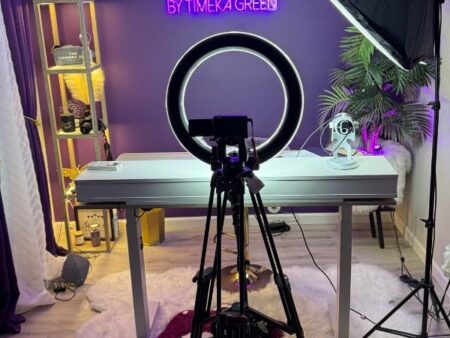

The podcasting landscape shifted permanently in 2026 — and if you haven’t noticed, you’re already behind. Audio-only shows are rapidly losing ground as video becomes the dominant format for reaching, engaging, and converting audiences across every major platform. The best videocasts of 2026 are not simply audio podcasts with a camera pointing at the host. They are fully realized video content experiences — multi-camera productions, branded sets, dynamic visual storytelling — that compete directly with streaming television for audience attention and brand loyalty.
The numbers behind this shift are impossible to ignore. YouTube alone reported one billion monthly podcast viewers in early 2025, a number that has continued to grow heading into 2026. The US now has 121.5 million weekly podcast listeners, according to EMARKETER — and 71% of podcasters have now incorporated video into their shows, according to Sounds Profitable. Perhaps most compelling for brands considering the format: research shows that viewers consume approximately 1.5 times more content when a podcast is presented in video versus audio alone. That is longer watch times, higher engagement, and more opportunities for the kind of repeated exposure that builds brand authority and drives conversion.
In this guide, we are breaking down 9 powerful formats and strategies that define the best videocasts in 2026 — what they look like, why they work, and how brands, agency owners, and creators can apply these insights to build a videocast that genuinely cuts through the noise. We will also explore how professional podcast networks and booking agencies are helping brands leverage the best videocasts format to drive traffic, generate leads, and establish lasting authority in their markets.
What Exactly Is a Videocast — and Why Does It Matter in 2026?
Before we dive into the formats and strategies behind the best videocasts of 2026, it is worth establishing a clear definition. A videocast — sometimes called a video podcast — is a podcast that is produced and distributed with a video component as a first-class element of the content, not an afterthought. The best videocasts are not recorded conversations with a static webcam feed uploaded to YouTube. They are purposefully filmed, professionally edited, visually compelling productions that are designed to perform on video platforms while simultaneously distributing across traditional audio podcast directories.
This distinction matters because the production philosophy behind a true videocast is fundamentally different from the production philosophy behind an audio podcast. When video is a first-class element, every creative decision — set design, camera angles, lighting, visual overlays, b-roll, lower thirds, thumbnail design — is made with the viewer’s visual experience in mind. The result is a product that audiences choose to watch, not just listen to, and that generates the kind of visual engagement that audio alone simply cannot produce.
For brands and agency owners, the videocast format opens up distribution channels — primarily YouTube and connected TV — that audio-only shows cannot access. It also generates significantly more repurposable content: a single 45-minute videocast episode can be clipped into dozens of short-form social media pieces, each one a standalone piece of content that drives discovery back to the full episode and the brand behind it.
Why the Best Videocasts Are Dominating Brand Marketing in 2026
The rise of the best videocasts as a dominant brand marketing format in 2026 is not a coincidence — it is the convergence of several powerful trends that have been building for years and have now reached a definitive inflection point.
First, platform infrastructure has caught up with creator ambition. YouTube has invested heavily in podcast-specific features, including dedicated podcast feeds, show pages, and recommendation algorithms that reward long-form video content. Spotify has expanded its video podcast capabilities significantly, allowing creators to distribute synchronized video and audio content to its more than 600 million users. Apple Podcasts launched video podcast support, completing the distribution picture across all three major podcast platforms.
Second, audience behavior has shifted decisively. According to research cited by multiple industry sources, approximately 80% of podcast fans now switch between watching and listening to the same show depending on context — watching on a big screen at home and listening through earbuds during a commute. The best videocasts are designed to serve both modes seamlessly, creating a flexibility that audio-only shows cannot match.
Third, the competitive pressure from short-form video has pushed long-form video content creators to raise their production standards dramatically. The best videocasts of 2026 are not competing only with other podcasts — they are competing with Netflix documentaries, YouTube premium content, and TikTok’s relentless visual innovation. The shows that are winning in this environment have invested in production quality, visual storytelling, and audience experience at a level that was rare in podcast production just two years ago.
Format #1: The Multi-Camera Studio Interview
The foundation of the best videocasts in 2026 is the multi-camera studio interview — a format popularized at scale by shows like the Joe Rogan Experience and refined by dozens of high-quality business and brand podcasts that have adopted its production principles. The multi-camera setup — typically three or more angles covering the host, the guest, and wide establishing shots — creates a dynamic visual experience that mirrors the production quality audiences associate with professional television.
For brands and agency owners considering the videocast format, the multi-camera studio interview is the gold standard for perceived production quality and audience trust. The investment required — cameras, lighting, acoustically treated recording space, editing — is significant but has become increasingly accessible with 2026 pricing on prosumer equipment. The visual credibility it creates, however, is genuinely outsized relative to the cost, particularly for B2B brands where first impressions of professionalism directly affect buying decisions.
The best videocasts using this format share several production characteristics: consistent, flattering lighting that eliminates harsh shadows and creates a broadcast-quality visual environment; clean, branded set design that communicates the show’s identity immediately without overpowering the conversation; and tight, purposeful editing that maintains momentum without losing the authenticity of the live conversation.
Format #2: The Remote Split-Screen Videocast
For brands that need to access guests across the country or around the world without the logistical complexity of in-person recording, the remote split-screen format has become one of the defining signatures of the best videocasts in 2026. Platforms like Riverside.fm, Squadcast, and StreamYard now enable broadcast-quality remote recordings that rival the visual and audio fidelity of in-studio production — creating a format that is both practically flexible and visually compelling.
The split-screen remote format works especially well for B2B video podcast agency productions and thought leadership series where the value is in the conversation and the guest roster rather than the production environment. Agency intelligence shows, executive interview series, and industry expert roundtables all thrive in this format because it prioritizes the substance of the conversation over the spectacle of the setting.
For agency owners who want to build their own videocast using this format without investing in an in-house production team, white-label podcast production services offer a compelling solution. The right production partner can manage the remote recording setup, edit the raw footage into a polished episode, create branded thumbnails and show notes, and handle distribution across every relevant platform — allowing the host to focus entirely on having great conversations. For a detailed breakdown of how white-label podcast services work and what to look for in a production partner, the comprehensive guide to white-label podcast services for agencies on Podcast Agency Network covers every key consideration.
Format #3: The Documentary-Style Narrative Videocast
One of the most distinctive and high-impact formats among the best videocasts of 2026 is the documentary-style narrative show — a format that borrows the visual and storytelling conventions of documentary filmmaking and applies them to the podcast medium. This format uses b-roll footage, location shots, archival material, and expert interview segments to construct a cohesive narrative around a single topic or story, producing an episode that feels less like a conversation and more like a short film.
The documentary-style videocast demands significantly more production investment than interview formats — research, scripting, location filming, and complex editing — but it also produces a significantly more shareable, emotionally resonant product. The best videocasts in this format regularly generate the kind of organic social sharing that interview shows rarely achieve, because each episode functions as a standalone piece of compelling content that stands on its own merits outside the podcast feed.
For brands with complex stories to tell — a category that includes technology companies, healthcare brands, financial services firms, and any organization whose work involves meaningful human impact — the documentary-style videocast is one of the most powerful formats available for communicating value in a way that audiences remember and share.
Format #4: The Live Audience Videocast
Live streaming has transformed the best videocasts landscape in 2026 by adding a dimension of real-time audience interaction that pre-recorded formats cannot replicate. Live videocast formats — streamed simultaneously on YouTube Live, LinkedIn Live, or dedicated platforms — create an event experience around each episode, with audience questions, live reactions, and community participation that make the recorded replay feel like being there in person.
For agency owners and B2B brands, the live videocast format is particularly powerful because it transforms a content strategy into a community-building strategy. Regular live episodes create a recurring appointment that loyal audience members build into their schedules — a weekly or monthly touchpoint that deepens the relationship between host and audience in ways that on-demand content consumption simply cannot achieve. The best videocasts using this format consistently report higher average watch times, more active comment sections, and stronger subscriber growth rates than their pre-recorded equivalents.
Format #5: The Agency Intelligence Videocast Model
One of the most strategically sophisticated applications of the best videocasts format in 2026 is the agency intelligence model — a videocast specifically designed to position an agency or professional services brand as the definitive knowledge hub for a specific industry or niche. This format combines expert guest interviews with data-driven insights, case study discussions, and market intelligence that gives a targeted professional audience genuinely useful information they cannot find anywhere else.
The agency intelligence videocast works because it simultaneously serves the audience and the host. Listeners get access to expert knowledge and market insights. The host gains credibility, visibility, and relationship access — every episode is an invitation to have a genuine conversation with a potential client, strategic partner, or influential voice in the niche. Over time, the accumulated body of work becomes a definitive reference resource that attracts organic search traffic, inbound links, and new audience discovery on autopilot.
For a detailed look at how the agency intelligence podcast format works and what the most successful shows in this category have in common, the agency intelligence podcast guide on Podcast Agency Network is essential reading for any brand or agency owner considering this approach.
Format #6: The B2B Brand Videocast
The B2B brand videocast has emerged as one of the clearest success stories among the best videocasts of 2026 — and for good reason. Brands that have launched well-produced, consistently delivered videocast series targeting their specific B2B audience are generating measurable pipeline impact in ways that most traditional content marketing strategies simply cannot match.
The mechanics behind this success are straightforward. A B2B decision-maker who regularly watches your brand’s videocast is not a cold lead — they are a warm prospect who has voluntarily invested hours in consuming your thinking, your approach, and your perspective on the challenges they face every day. By the time they make contact with your sales team, the trust deficit that characterizes most B2B sales processes has largely already been closed. The conversation starts further down the funnel, moves faster, and closes at a higher rate.
The best videocasts in the B2B space share a common characteristic: they are relentlessly audience-first. Every episode is designed around what the target audience finds genuinely valuable — not what the brand wants to say about itself. This discipline is difficult to maintain when internal stakeholders want product mentions and brand messaging woven into every episode — but the shows that hold the line on audience value are the ones that build the loyal, engaged audiences that eventually translate into pipeline and revenue.
Format #7: The Video Podcast Network Model
Beyond individual shows, some of the most significant growth in the best videocasts ecosystem in 2026 is happening at the network level. Podcast networks — groups of related shows that share audiences, cross-promote each other, and collectively build more credibility and reach than any single show could achieve independently — are increasingly incorporating video as a core component of their network identity.
For agency owners and brands building within a podcast network, the video component multiplies the value of network participation dramatically. A strong videocast appearance on a network show generates not just audio listeners but video viewers — a cross-platform audience that engages with clips on YouTube, follows the network on social media, and discovers individual shows through the network’s collective visual presence.
For brands and agency owners looking to leverage the podcast network model for their own videocast growth strategy — either by joining an established network or by building their own — Podcast Agency Network is a leading resource for understanding how podcast networks operate, what the participation requirements look like, and how to position a show for successful network integration in 2026.
Format #8: The Short-Form Videocast Clip Strategy
One of the most practically impactful developments in the best videocasts world in 2026 is the rise of the short-form clip strategy — the systematic extraction and distribution of short, high-value video segments from longer videocast episodes across social media platforms. This is not a new idea, but the tools and workflows available for executing it have become dramatically more sophisticated, and the strategic importance of doing it well has grown significantly.
The best videocasts in 2026 treat clip creation not as an afterthought but as an integral part of their production workflow. They identify clip-worthy moments during or immediately after recording, edit them with platform-specific formatting — vertical for Instagram Reels and TikTok, horizontal for YouTube Shorts and LinkedIn — add branded lower thirds and captions, and distribute them systematically on a publishing schedule designed to maximize ongoing discovery of the full-length episode.
For agency owners and brands, the short-form clip strategy transforms every 45-minute videocast episode into weeks of social media content — each clip functioning as a standalone piece of value that introduces new audiences to the show and drives them toward the full episode and the brand behind it. When this strategy is executed consistently across multiple shows, the compound effect on brand discovery and audience growth is remarkable. This is one of the primary reasons why investing in the best videocasts format generates significantly higher total content ROI than audio-only podcast production.
Format #9: The Podcast Guesting Videocast Strategy
The final format in our breakdown of the best videocasts strategies for 2026 is one that many brands overlook entirely: podcast guesting on video shows. Just as appearing as a guest on an audio podcast builds trust and authority with the host’s audience, appearing as a guest on a high-quality videocast creates a visual impression that is even more powerful — because the audience sees you, observes your presence and communication style, and forms a far more complete impression of who you are and whether they want to work with you.
For agency owners and B2B brand leaders specifically, strategic videocast guesting is one of the highest-ROI visibility investments available in 2026. A single appearance on a well-produced videocast with a targeted audience of your ideal clients can generate clips, backlinks, social proof, and direct inbound inquiries that continue to compound for months after the original recording.
The key to making videocast guesting work is strategy — appearing on the right shows, with the right talking points, pitched in a way that speaks directly to what the host’s audience needs. This is where professional podcast booking and PR services create genuine value. PodcastCola is a leading US-focused podcast booking and PR agency that helps brands and agency founders build strategic guest appearances on the best videocasts and audio podcasts in their target niche — handling research, pitch creation, outreach, and scheduling end to end so that clients can focus on delivering great content rather than managing the booking process.
How to Choose the Right Videocast Format for Your Brand in 2026
With nine distinct formats and strategies on the table, the practical question for most brands is: which format is right for us? Here is a simple decision framework based on the most important variables:
- Budget and production capacity: The multi-camera studio and documentary formats require the highest investment. Remote split-screen and short-form clip strategies offer strong results at significantly lower cost. Assess your realistic production budget before committing to a format that requires infrastructure you don’t have.
- Audience context: Where does your target audience consume video content? YouTube-native audiences expect higher production values. LinkedIn audiences prioritize content substance over production polish. Understanding your audience’s platform habits shapes which format will resonate most strongly.
- Content goals: If your primary goal is thought leadership and trust-building, the interview and agency intelligence formats deliver the strongest results. If your goal is broad discovery and social reach, the short-form clip strategy is your highest-leverage investment. If your goal is community building, the live audience format creates the deepest ongoing engagement.
- Distribution strategy: The best videocasts in 2026 distribute across YouTube, Spotify, Apple Podcasts, and social media simultaneously. Your format choice should support distribution across all relevant platforms — which typically means producing in a format that can be adapted for both horizontal video and vertical short-form clips without losing quality.
Final Thoughts: Why the Best Videocasts Are the Future of Brand Content in 2026
The shift to video in podcasting is not a trend — it is a structural transformation of how audio content is produced, distributed, and consumed. The best videocasts of 2026 are not experiments or early-adopter plays. They are mature, professional, strategically sophisticated productions that are setting the standard for what brand content looks and feels like in an era of visual-first media consumption.
The nine formats and strategies we have covered in this guide — from multi-camera studio interviews and documentary narratives to agency intelligence series, B2B brand shows, podcast network integration, short-form clip strategies, and strategic videocast guesting — collectively represent the full range of approaches that the most successful brands and agency owners are using to build authority, grow audiences, and drive business results through the videocast format.
The brands that invest in the best videocasts format now — while the competitive landscape is still relatively uncrowded at the quality level that today’s audiences expect — will build compounding advantages over the next two to three years that will be very difficult for later entrants to overcome. The audience habits being formed around the best videocasts today are the brand loyalty relationships of tomorrow.
If you are ready to build a strategic videocast presence for your brand — or to leverage guest appearances on the best videocasts in your target niche as a visibility and lead generation strategy — PodcastCola is the expert partner you need to make it happen at the highest level. Their team specializes in podcast and videocast booking, PR, and strategic placement for brands and agency founders who are serious about building genuine authority through audio and video content in 2026. Contact PodcastCola today and let their team show you what a professional videocast strategy can do for your brand’s growth trajectory.